
A drip the size of a pinhole can soak insulation or framing long before it leaves a stain. At 101 RV Rentals, we look for the route water followed instead of stopping at the first wet spot. Our RV service work in Santa Barbara, CA has shown us how often trouble starts at exposed joints, interior fixtures, or openings shaken loose by the road. Coastal fog, a hard rain, and even a wash can leave moisture tucked out of sight.
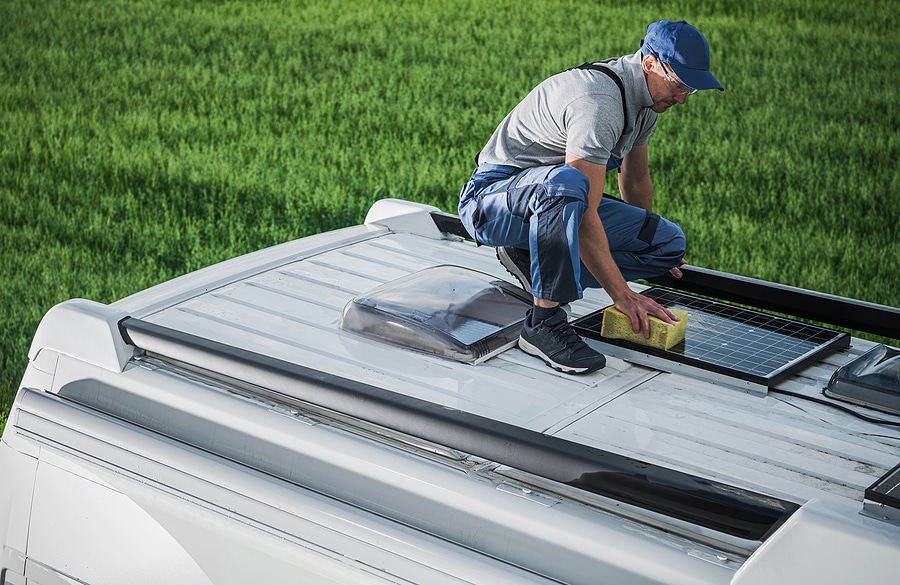
High-Exposure Exterior Joints Need Attention
On the first dry day after a rainy weekend, roof seams and vent frames are often the first places worth checking. Skylight edges, antenna bases, and exterior sealant lines face sun, weather, and constant vibration. Cracks, gaps, or sealant that has pulled away can create a path for water. Even a small opening can let water slip beneath the exterior skin. The surface may look dry while insulation or wood stays wet. During RV maintenance, we examine the spots that absorb the most weather and road movement.
- Roof transitions: Seam lines where roof panels meet can become vulnerable to water intrusion over time.
- Vent openings: Mounting edges, covers, and low areas where rainwater can sit may develop gaps or worn seals.
- Exterior seals: Windows, access doors, and other exterior openings can let water in when seals begin to fail.
Where Do RV Water Leaks Start?
A brown ring on a ceiling panel may have started several feet away. Leaks commonly begin at roof seams, vents, windows, exterior seals, plumbing connections, and cutouts around mounted equipment. Water doesn’t usually stay at its entry point, so we trace the visible sign back to where it first got in.
- Staining: Discolored ceiling panels and wall sections can point to water above or behind them.
- Damp storage: Cabinets, closets, and exterior compartments may hold moisture long after a leak stops.
- Soft spots: We check flooring and wall sections that feel spongy, weak, or no longer solid.
- Musty odors: A stale smell can mean moisture has been trapped in an enclosed area.
Interior Connections Can Hide the Source
With the water pump running, a loose fitting beneath a sink or behind a cabinet can drip in a hidden spot. A worn hose or failed toilet connection can do the same thing in a closed-off space. That’s why a quick glance isn’t always enough. Through our RV service, we inspect plumbing connections, fix damaged parts, and check nearby materials before a minor drip becomes a larger repair.
After miles of road vibration, slide-out edges can become another path for water. Compartment doors, appliance openings, and spots where wiring or plumbing passes through an exterior wall can also become paths for water. Each opening is another possible path for water.
When water appears inside your RV, addressing it promptly can help limit damage to hidden materials. In Santa Barbara, CA, 101 RV Rentals handles leak inspections, maintenance work, and repairs with your next trip in mind. Call us at (805) 210-7391 or contact us or request service to get started.




Comments are closed.